


Keep Your Home Safe and Up to Code.
Switches, outlets, and GFCIs are the most frequently used electrical components in any home. When they're worn out, improperly installed, or missing where required by code, they become a safety hazard. Joel Watsky Electric handles everything from a single outlet replacement to a whole-home upgrade.
GFCI Protection
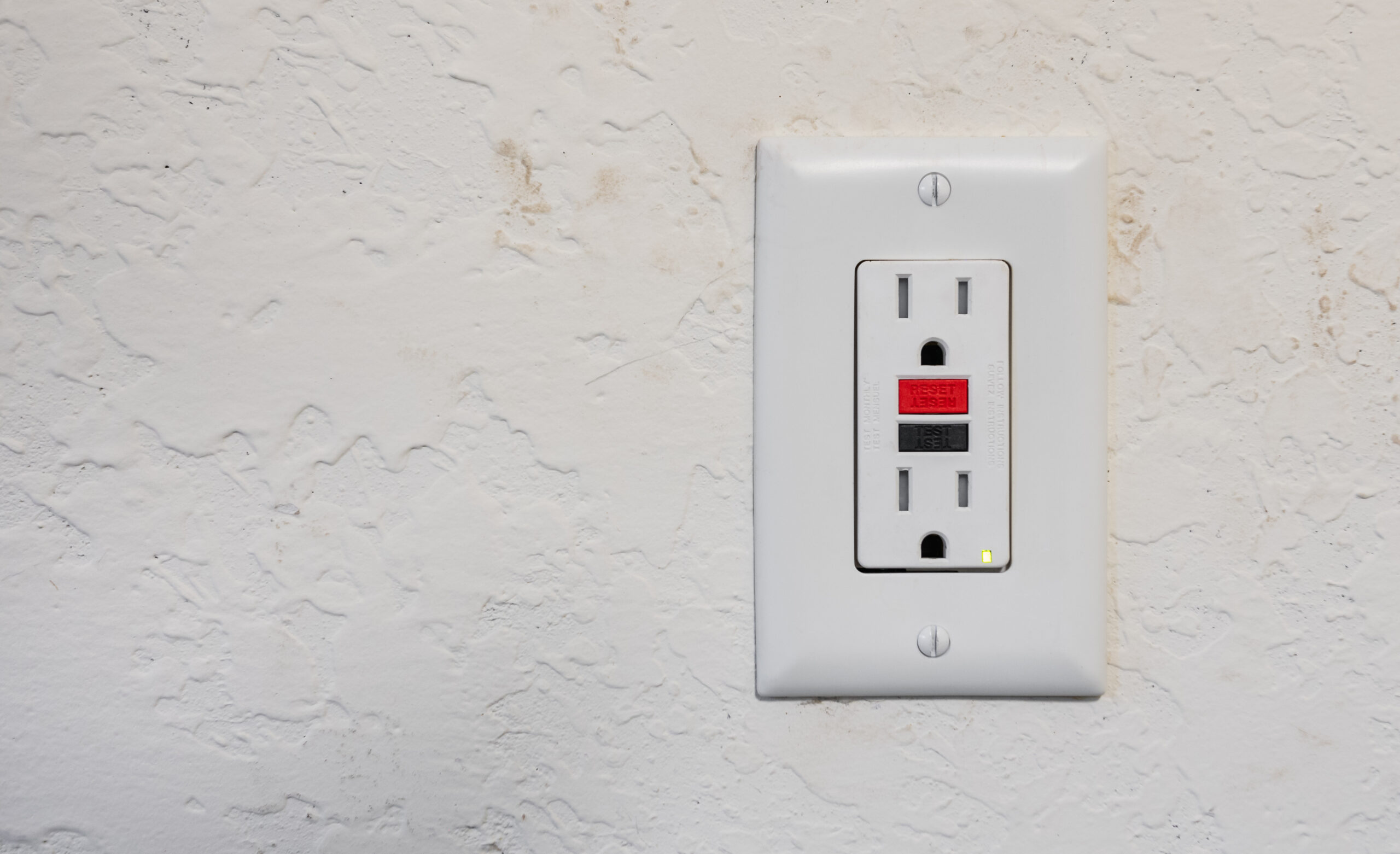
GFCI (Ground Fault Circuit Interrupter) outlets cut power in milliseconds when they detect a ground fault, preventing serious shock injuries. They're required by code in kitchens, bathrooms, garages, and outdoor areas.
Modern Convenience
Dimmer switches, USB outlets, and smart switches add everyday convenience and can reduce energy use. We install a wide variety of device types to match your home and lifestyle.
Code-Compliant Work
Electrical codes specify where GFCI protection is required and how outlets must be placed and grounded. A licensed electrician ensures your installation meets current NEC requirements.

